 Ketchikan City Guide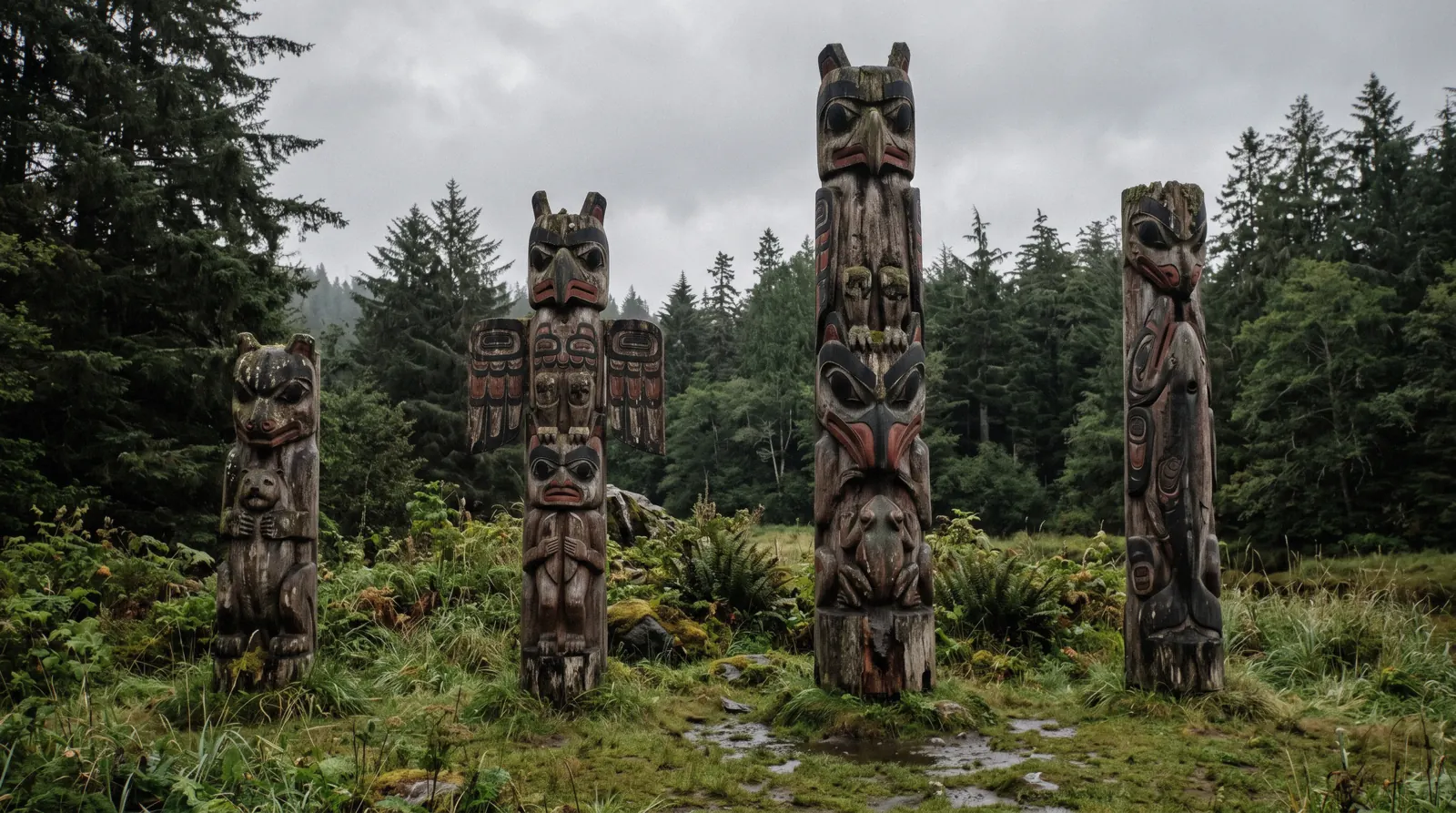
Ketchikan Totem Poles: Four Sites Compared
Ketchikan totem poles stand in more places than any other town in Alaska. This guide covers all four sites around town, what each one costs, and why some poles are 19th-century originals kept indoors while others are modern replicas in the rain. Start with the Totem Bight State Historical Park summary if you want a single recommendation. We read the official pages and print what they say, including when they say nothing. The town all of this sits in is the Ketchikan guide these sites sit in.
Quick answer The four totem sites, prices, and original-versus-replica differences in brief.
Ketchikan has four totem sites. Totem Bight charges a $5.00 day-use fee per person and opens 7:00am-6:00pm year-round. Totem Heritage Center holds 33 original 19th-century poles indoors, open 8:00am-5:00pm daily from May through September. Saxman Native Village publishes no self-guided admission on an official page. Potlatch Totem Park confirms an entry fee exists but never states the amount. Only Totem Bight publishes a figure on an official source. Prefer a guide? A trolley tour combining poles, wildlife and city sights costs $85 and runs 130 minutes.
Key takeaways
- Totem Bight is the only site with an official published price, a $5.00 per person day-use fee, as detailed in our Totem Bight guide.
- The Totem Heritage Center keeps 33 original 19th-century poles indoors, 16 on permanent display.
- Saxman Native Village does not publish self-guided admission or hours on any official page.
- No time to DIY? The Ketchikan trolley tour covers totem poles, wildlife and the city in 130 minutes.
The four totem sites, compared
Every price here is the one the site itself publishes, and three of the four publish nothing. That is the finding, not a gap in our research: only Alaska DNR puts a figure on a page.
| Site | Published price | Poles | What makes it different |
|---|---|---|---|
| Totem Bight | $5 per person, parking free | Reconstructed, standing outside | The only clean published price, and a painted clan house |
| Saxman Native Village | Set by the City of Saxman, not published | Restored, standing outside | A living Tlingit village, normally visited guided |
| Totem Heritage Center | Not confirmed on the city page | Original nineteenth-century, kept indoors | The only originals, unrestored, under a roof |
| Potlatch Totem Park | Nothing published at all | Standing outside | Privately owned, and its site carries no visitor information |
Figures current for Q3 2026.
Why Ketchikan has so many totem poles
Ketchikan sits in the traditional territory of the Tlingit and Haida peoples, and the pole carving tradition here never stopped. In the 1930s a joint US Forest Service and Civilian Conservation Corps program hired retired Tlingit and Haida carvers to repair and reconstruct weathered poles from abandoned villages, using traditional hand tools and pigments made from clam shells and salmon eggs. That program shaped two of the four sites you can visit today.
The result is a town where you can see original poles recovered from abandoned village sites, Depression-era reconstructions, and contemporary carvings, often within a few miles of each other. For the wider picture of the area, see our things to do in Ketchikan overview.
The four totem sites at a glance
Here is what each official source publishes. Where a source says nothing, we say so, because that gap is the single most useful fact for planning a self-guided visit.
- Totem Bight State Historical Park: a $5.00 per person day-use fee, open 7:00am-6:00pm year-round, free on-site parking, at milepost 10 on North Tongass Highway. Reconstructed poles plus a Tlingit clan house. - Saxman Native Village: no official page publishes self-guided admission or hours. Secondary sources disagree, citing figures from $5 to $8. Cape Fox Tours runs guided visits separately. - Totem Heritage Center: a City of Ketchikan museum at 601 Deermount Street, open 8:00am-5:00pm daily May through September and 1:00pm-5:00pm Monday to Friday October through April. No admission price is confirmed on an official page. - Potlatch Totem Park: privately run, at 9809 Totem Bight Road. The official site confirms an entry fee exists but never states the amount, and publishes no hours.
How to read a totem pole
A pole is read from the bottom up, and the figures at the base are usually the most important to the story. Crests, animals and human figures record family lineage, clan identity, events and rights, much like a carved document. They were not worshipped and are not religious idols in the way early visitors often assumed.
At Totem Bight you can see the craft itself up close. Carvers there worked with traditional hand tools and made pigments from clam shells and salmon eggs. At Potlatch Totem Park an active carving center lets you watch carving in progress. If you want context before you go, the Southeast Alaska Discovery Center downtown is a good primer for $5.00 per person in season.
The one sentence worth carrying away comes from Alaska DNR's own park page: the poles were not worshipped, they were silent storytellers, because there was no written language. Everything else on this page follows from that. A pole is a record, and the question to ask in front of one is whose record it is.
Original poles versus replicas
This is the single biggest choice between the four sites. Original 19th-century poles recovered from abandoned villages at Village Island, Tongass Island and Old Kasaan are kept indoors at the Totem Heritage Center, which holds 33 of them with 16 on permanent display. Wood exposed to this rainforest climate does not survive long outdoors, which is why the originals live inside.
The poles standing outside at Totem Bight and Saxman are a mix. Some at Saxman are originals relocated from abandoned Tlingit villages, others were carved or reconstructed under the 1930s Civilian Conservation Corps program. Potlatch Totem Park's centerpiece is a 42-foot Raven pole carved for the park. Neither kind is fake. Replicas are carved by Native artists using traditional methods, and the indoor originals are the fragile survivors.
Originals or replicas: which site to choose
Short on time and want to see the real thing? The Totem Heritage Center downtown is the answer. It holds 33 original 19th-century poles indoors, and no other site can match that. Want poles standing in a forest setting you can walk through? Choose Totem Bight, where the $5.00 fee and posted 7:00am-6:00pm hours make planning simple. Want to watch a carver at work? Potlatch Totem Park has an active carving center, though you will have to ask on site about the fee.
If you are calling by cruise ship and time is tight, a guided option removes the transport problem. The North Tongass Highway sites sit about 10 miles from the docks, and our getting around page covers your options.
Tours that take in more than one site
Five listings that cover two or more of the four, which is the only practical way to see them in a single ship call. Prices, ratings and durations are the platform’s own figures.
 from $85
Free cancellation
from $85
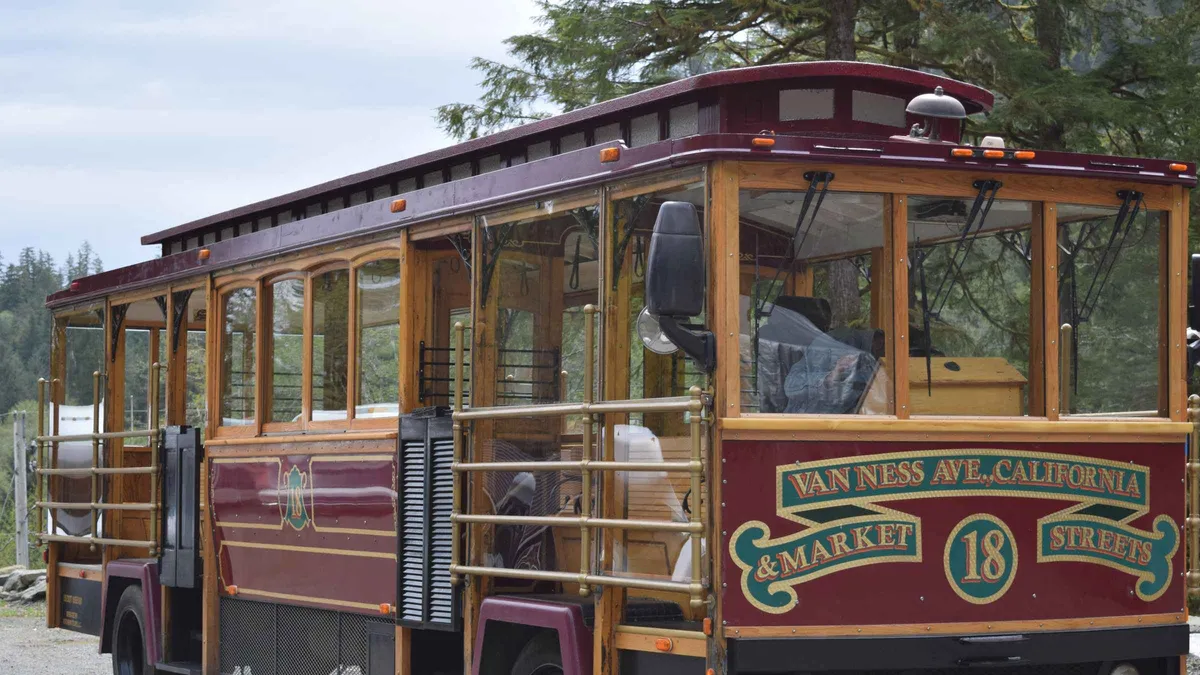
Free cancellation Ketchikan: Totem Pole, Wildlife & City Trolley Tour
An open-sided San Francisco style trolley tours Saxman Native Village's carved totem poles and carving shed, then continues to Herring Cove for a chance at eagles, seals and bears. A shorter option for travelers who mainly want the totem poles and a quick wildlife stop.
Check Availability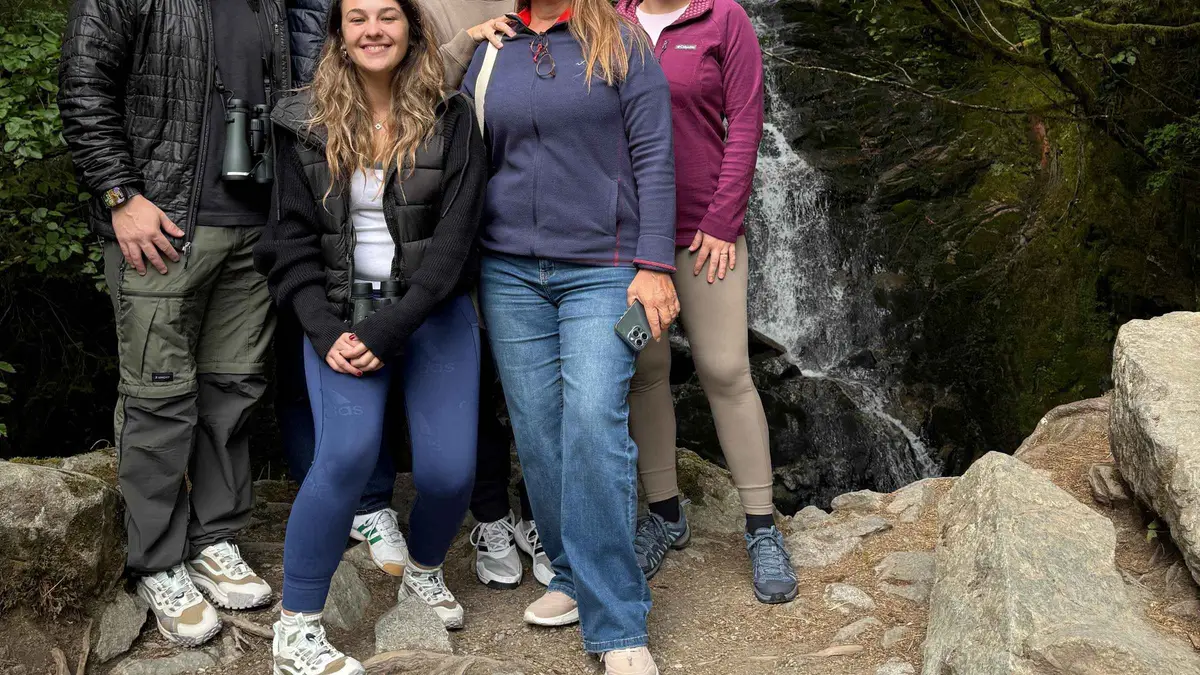 from $84
Free cancellation
from $84
Free cancellation Ketchikan: Alaska Native Cultural and Scenic Shore Excursion
A Native-guided van tour run by Clan House Tours stops at four wildlife viewpoints and Totem Bight State Historical Park to cover Haida, Tlingit and Tsimshian history and craft. Fits travelers who want cultural context alongside a chance at spotting bears, salmon and eagles.
Check Availability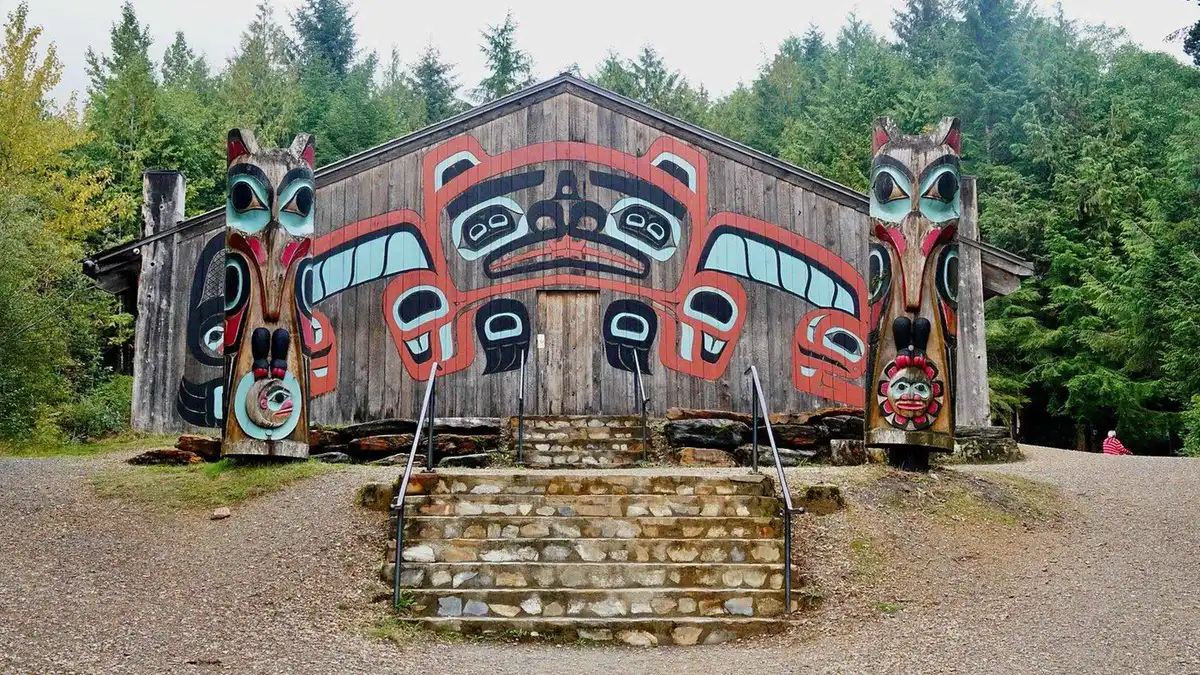 from $99
Free cancellation
from $99
Free cancellation Ketchikan: City Tour, Saxman Village, & Salmon Tasting
A luxury coach carries riders to the Eagle Point Education Center for a smoked salmon tasting, then through downtown landmarks to Saxman Native Village and its totem poles. A straightforward pick for anyone wanting Native history and a city overview in one 2.5 hour ride.
Check Availability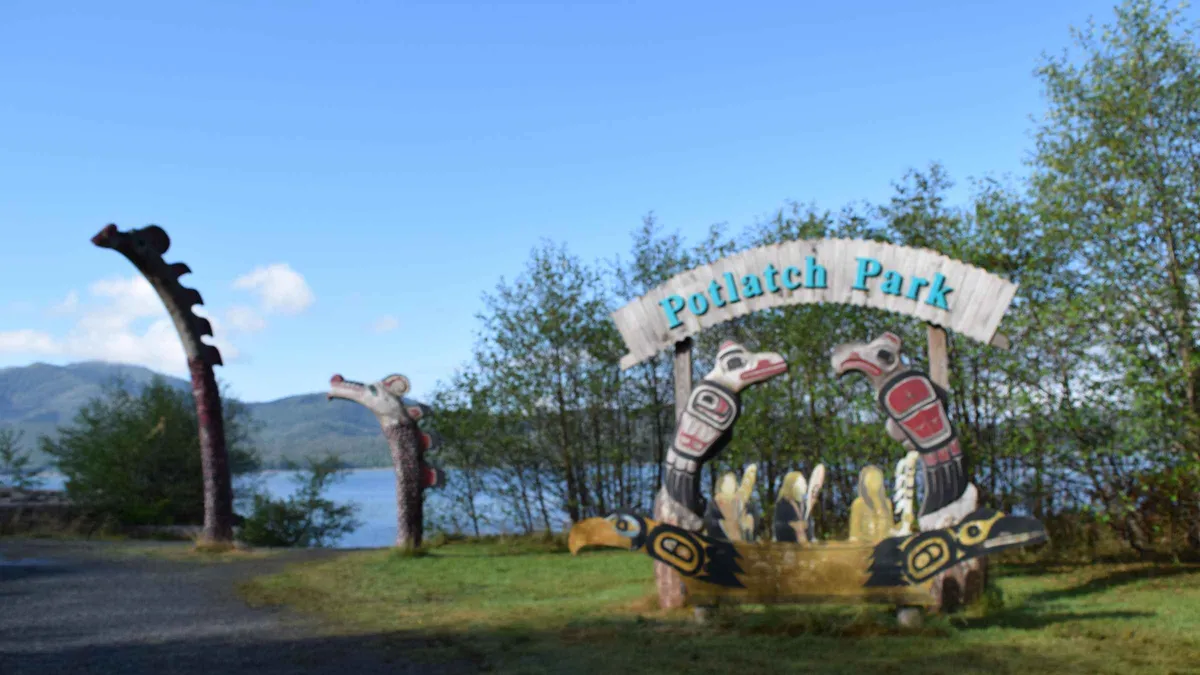 from $85
Free cancellation
from $85
Free cancellation From Ketchikan: Potlatch Totem Park and Herring Cove Tour
This van tour combines a Potlatch Park visit, with its totem carving center and antique firearms display, with time at Herring Cove watching for bears, eagles and seals. A middle-ground pick for those wanting both carving history and a wildlife stop in one trip.
Check AvailabilityPrices, ratings and details are the platform's own. dollar figures are the listed prices — the platform bills in your account's currency.
Next
Things to do
All sixteen places ranked, with the totem sites among them: things to do in Ketchikan.
The wider listGetting around
The $2.00 bus that reaches both outdoor parks: getting around Ketchikan.
How you reach themShore excursions
The six kinds of excursion, one of which is this: Ketchikan shore excursions.
If you would rather be drivenTotem site questions
What is the meaning of totem poles in Ketchikan culture?
Alaska DNR's own page for Totem Bight puts it in one line: the poles were not worshipped, they were silent storytellers, because there was no written language. The carved figures are crests and figures from Tlingit and Haida narrative, eagle and raven, bear and whale, and a pole records a lineage, an event or a person rather than a deity. The clan house beside them housed several families of one lineage, 30 to 50 people, and its carved house posts symbolise the exploits of the figures they name. Designs of that kind appeared only where there was great wealth to pay for them.
Which Ketchikan totem site has original poles?
The Totem Heritage Center holds 33 original 19th-century poles recovered from abandoned village sites, with 16 on permanent display. Some poles standing outdoors at Saxman Native Village are also originals relocated from abandoned Tlingit villages, while others were carved or reconstructed under a 1930s federal program. The Totem Bight poles are reconstructions carved by Tlingit and Haida carvers using traditional tools and materials.
How much does it cost to see Ketchikan totem poles?
It depends on the site. Totem Bight charges a $5.00 per person day-use fee, the only officially published price among the four. Totem Heritage Center shows no price on its official ketchikan.gov page, though secondary sources report around $5 to $7. Saxman publishes no self-guided fee, and Potlatch Totem Park confirms a fee exists without stating the amount.
Can you visit the totem parks without a tour?
Yes at some sites. Totem Bight is a state park open 7:00am-6:00pm year-round with free parking, so a self-guided visit is straightforward if you have transport. The Totem Heritage Center is a walk-in city museum. Saxman and Potlatch Totem Park publish no official self-guided visiting information, which is the main reason many visitors take a guided tour instead.
Which totem site is best for cruise passengers with limited time?
The Totem Heritage Center is closest, at 601 Deermount Street a short walk from downtown, and it holds the largest collection of original poles. If you want outdoor poles, guided options such as the Ketchikan tours list handle the 10-mile drive to North Tongass Highway for you. Totem Bight is easy to visit independently if you rent a car or take a taxi or trolley.
Are the outdoor totem poles in Ketchikan fake?
No. Outdoor replicas are carved by Native artists, and several were produced under the 1930s US Forest Service and Civilian Conservation Corps program that paid retired Tlingit and Haida carvers to work with traditional hand tools. The originals recovered from abandoned villages are kept indoors at the Totem Heritage Center because the wet climate destroys exposed wood. Saxman also displays some relocated originals outdoors.
How much time should I allow for each totem site?
Official sources do not publish recommended visit times for any of the four sites, so this is not stated anywhere authoritative. Practically, the Totem Heritage Center is a museum you can cover briskly, while Totem Bight and Potlatch Totem Park involve walking outdoor grounds. Guided visits run about two to three hours including transport, based on the durations listed on our shore excursions comparison.
The totem sites on video
Three films covering the outdoor parks and the indoor collection, which is the quickest way to see the difference this page is about.
11 Amazing Things You MUST Do in Ketchikan, Alaska
Walks the outdoor pole stands.
Video: Art We There Yet?Best Things to Do in Ketchikan Alaska Travel Guide
Covers both the north and south road parks.
Video: Destination AwaitsWhat to Do in Ketchikan Alaska on a Cruise Port Day
Fits the totem sites into one ship call.
Video: Take2TravelLinked as published on YouTube. We have no connection to these channels.
We may earn a commission if you book through one of our links, at no extra cost to you. Full affiliate disclosure